If your furnace seems to run all day in January and the upstairs bedrooms still feel cold, the furnace is usually not the real problem. Its job is to replace heat as fast as your house loses it. The faster heat escapes, the longer it runs, and the harder it works. So the most reliable way to keep your home warmer without burning out your heating system is not to push the furnace harder. It is to make the house hold on to the heat you are already paying for.
This guide starts with the upgrade that usually matters most in Markham homes, the attic, and then covers the other fixes and daily habits that take pressure off your furnace all winter.
Why Your Furnace Works Harder Than It Should
Warm air rises. In winter, the heated air in your home pushes upward and escapes through any gap it can find in the top of the house: around pot lights, plumbing stacks, the attic hatch and thin spots in the attic insulation. As that warm air leaves at the top, cold outdoor air is pulled in at the bottom through the basement, rim joists and gaps around doors. This is called the stack effect, and it gets stronger the colder it is outside.
The result is a loop your furnace can never win: it heats air, the air rises and leaks out, cold air replaces it, and the furnace starts again. Break the loop at the top of the house first and every other improvement works better.
1. Top Up Your Attic Insulation (The Biggest Win)
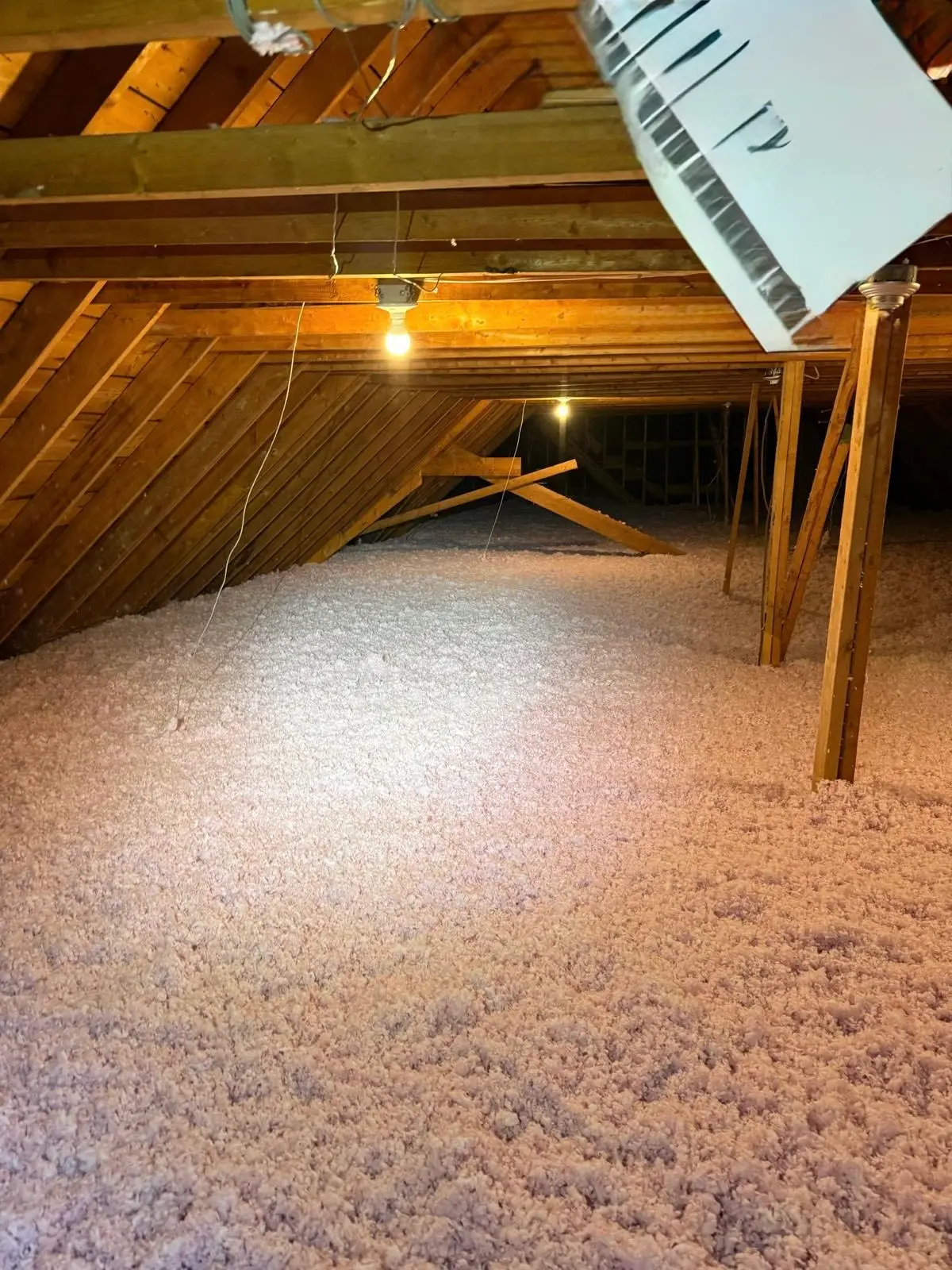
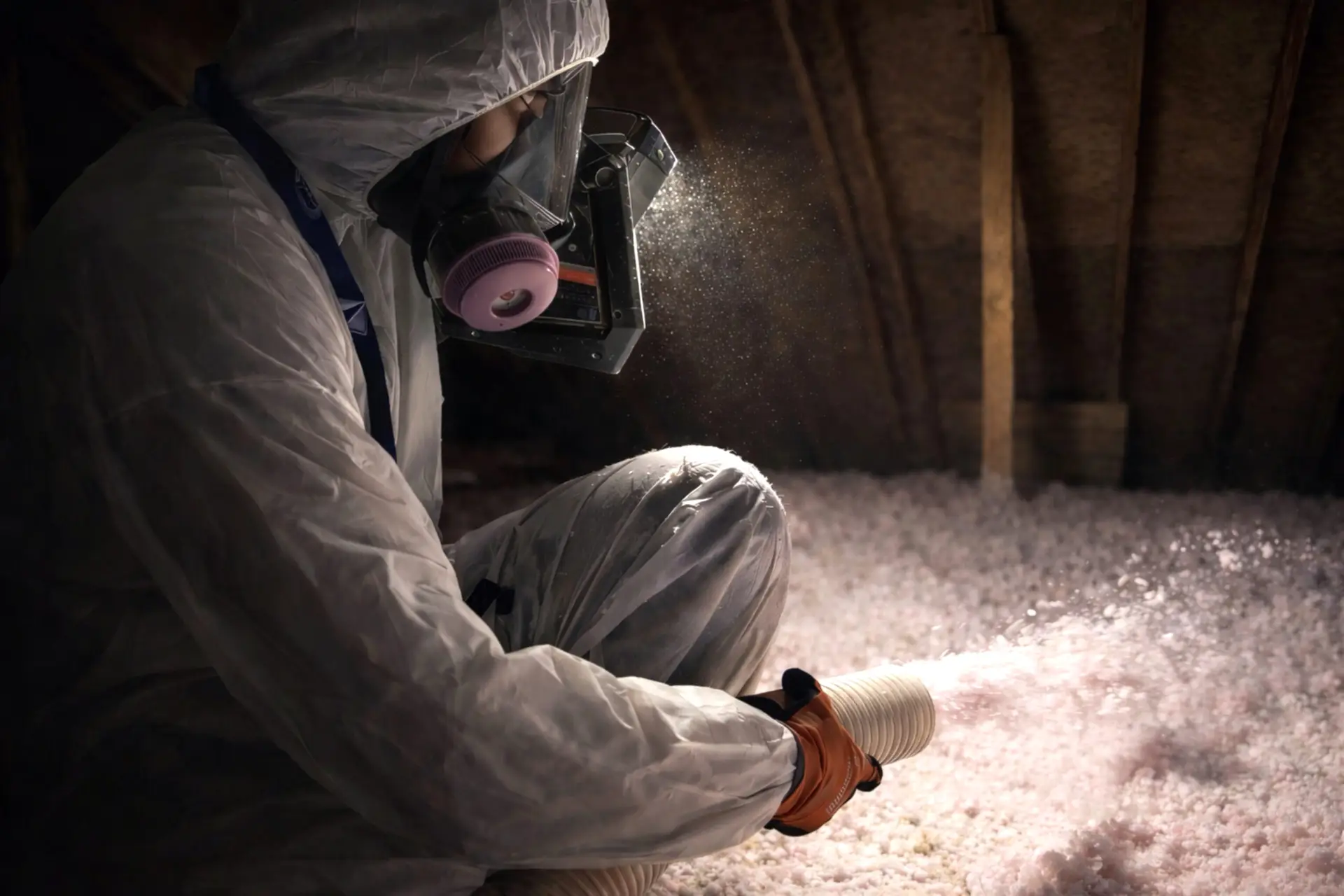
Your attic is the lid on your home. If it is under-insulated, the heat your furnace produces moves straight up and out through the ceiling. Upgrading your attic insulation is usually the single most effective way to reduce how long your furnace runs, and it is one of the least disruptive home upgrades you can make. The work happens in the attic, not in your living space.
Signs Your Attic Is Letting Heat Escape
- Upstairs rooms are noticeably colder than the main floor.
- Your furnace runs for long stretches but the house never feels fully warm.
- Snow melts off your roof faster than it does on your neighbours’ roofs.
- Icicles or ice dams build up along your eaves.
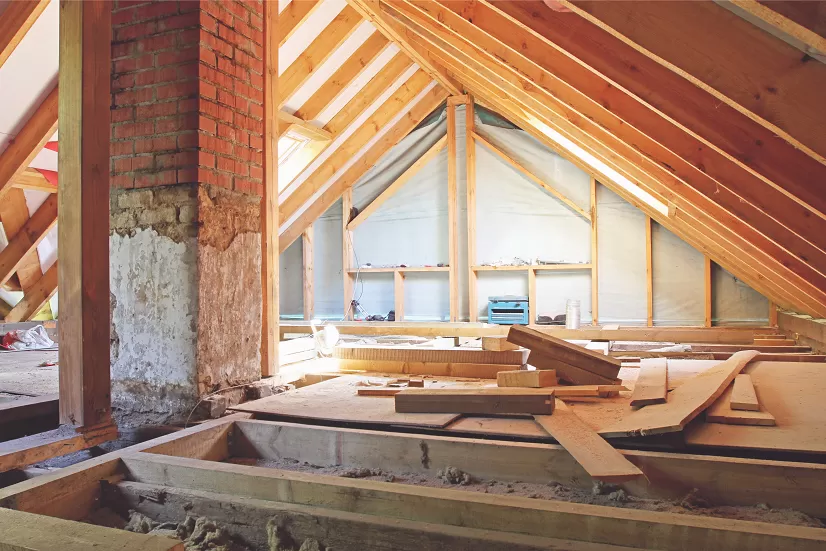
- You can see the tops of the ceiling joists when you look into the attic.
- The insulation looks thin, patchy, flattened, wet or stained.
If any of these sound familiar, read our guide on how to tell if your Markham attic needs more insulation. Newer homes are not automatically covered either. We explain why in why newer Markham homes still come up short on attic insulation.
How Much Attic Insulation Is Enough?
Insulation is rated by R-value, which measures how well it resists heat flow. Higher is better. Ontario’s Home Renovation Savings attic rebate is built around bringing attics up to at least R-50, which makes it a practical target for most Markham homes.
What that looks like in depth depends on the material:
| Material | Approx. R-value per inch | Approx. depth for R-50 |
|---|---|---|
| Blown-in cellulose | R-3.4 to R-3.8 | About 13 to 15 inches |
| Blown-in fibreglass | R-2.7 to R-3.0 | About 17 to 19 inches |
Depth estimates are approximate. Actual results depend on the product and how it settles, so a professional measurement is the only way to confirm your attic’s R-value.
The good news: if your existing insulation is clean and dry, new insulation can usually be blown right over it, and the R-values add together.
Cellulose or Fibreglass?
Both are blown in by machine and fill the gaps and joist bays that batts often miss. Blown-in cellulose is denser and does a better job of slowing air movement through the attic. Blown-in fibreglass is lighter and often the more budget-friendly option. Either can get you to R-50. The right choice depends on your attic, your existing insulation and your budget.
Don’t Block Your Attic Ventilation
More insulation only helps if your attic can still breathe. When insulation is piled against the roof edges, it can block the soffit vents that let outside air flow through the attic. That traps moisture and can lead to frost, mould and ice dams. Baffle installation keeps a clear air channel open at the eaves so you can add insulation without choking off ventilation.
When Old Insulation Has to Come Out First
Topping up is not always the right move. If your current insulation is wet, mouldy or contaminated by rodents, adding more on top only buries the problem. In that case, attic insulation removal comes first. Our post on attic insulation and mould explains how to tell the difference.
Use the Attic Insulation Rebate Before It Ends
Ontario’s Home Renovation Savings program, offered by Enbridge Gas and Save on Energy, includes a standalone attic insulation rebate of up to $1,250, with no home energy assessment required. The rebate amount depends on how much insulation you have now:
- R-12 or less, upgraded to R-50: up to $1,250
- Above R-12 to R-25, upgraded to R-50: up to $1,000
- Above R-25 to R-35, upgraded to R-50: up to $800
The program has been extended to November 30, 2026, but its terms allow it to change or close at any time. If you are thinking about an attic upgrade this winter, it is worth booking an assessment soon. See our Markham energy rebate page for current details, or read our step-by-step walkthrough of the rebate process. Full program terms are on the official Home Renovation Savings website.
2. Seal Air Leaks Into the Attic
Insulation slows heat moving through materials. It does not stop warm air from physically leaking through gaps. Common leak points between your living space and the attic include:
- Pot lights and ceiling light fixtures
- Plumbing stacks and electrical wire holes
- Bathroom exhaust fans
- Gaps along the top of interior walls
- The attic hatch itself
A quick DIY fix: add weatherstripping around your attic hatch and glue a piece of rigid foam insulation to the top of the hatch cover. For a whole-home approach, AeroBarrier air sealing seals leaks throughout the house from the inside.
3. Insulate Your Rim Joists and Basement
Remember the stack effect: when warm air leaves at the top, cold air comes in at the bottom. The rim joist, where your house framing sits on the foundation wall, is one of the most common entry points. 2 lb closed-cell spray foam insulates and air-seals rim joists in one step. If you are planning to finish your basement, read getting the basement right before you finish it.
4. Fix the Cold Room Above the Garage
A bedroom over an unheated garage is cold from below, and no amount of furnace runtime fully fixes that. Garage ceiling insulation addresses the source so that room is not dragging the whole thermostat setting up.
5. Check Your Exterior Walls in Older Homes
Many older homes have little or no insulation inside the exterior walls. If your walls feel cold to the touch in winter, drill and fill insulation adds insulation to closed walls through small holes, without tearing out drywall.
6. Give Your Furnace an Easier Job
Once the house holds heat better, a few maintenance habits help your furnace run smoothly:
- Check the filter regularly. A clogged filter restricts airflow and makes the blower work harder. Check it monthly in winter and replace it as the manufacturer recommends.
- Keep vents and return grilles clear. Furniture, rugs and curtains over registers block airflow.
- Don’t close too many registers. Shutting vents in unused rooms can increase pressure in the ductwork and strain the system rather than save energy.
- Book an annual furnace service. A licensed technician can catch worn parts before they fail in the middle of a cold snap.
7. Use Your Thermostat Wisely
Turning the thermostat way up does not heat your home faster. Most furnaces deliver heat at the same rate no matter the setting, so cranking it up only means the furnace runs longer and overshoots. Set a comfortable temperature and lower it a few degrees overnight and when nobody is home.
A smart thermostat makes these setbacks automatic. The Home Renovation Savings program currently offers a $125 rebate on eligible smart thermostats, also with no energy assessment required.
8. Stop Drafts at Windows and Doors
- Replace worn weatherstripping around exterior doors and add door sweeps where you can see daylight underneath.
- Caulk gaps around window trim.
- Open blinds on south-facing windows on sunny days to let the sun help heat your home, then close heavy curtains at night to hold the heat in.
9. Reverse Your Ceiling Fans
Most ceiling fans have a direction switch. In winter, set the fan to spin clockwise on a low speed. This gently pushes warm air that has collected near the ceiling back down into the room without creating a cold breeze.
10. Use Space Heaters Carefully and Only Where Needed
A portable heater can take the chill off one room without raising the temperature for the whole house. Use only certified units, keep them well away from bedding, curtains and furniture, plug them directly into the wall rather than an extension cord, and never leave them running unattended or while you sleep. If you find yourself relying on space heaters every day, treat that as a sign the house itself needs work.
Where Should You Start?
If you can only do one thing this winter, start at the top of the house. The habits in this list help, but they mostly manage the symptoms. Attic insulation and air sealing reduce the heat loss your furnace is fighting in the first place. For more ideas, see our earlier post on attic insulation and 8 more ways to make your Markham home warmer this winter, and for a deeper technical reference, Natural Resources Canada’s Keeping the Heat In guide is a free, detailed resource for homeowners.
Frequently Asked Questions
Why is my furnace running constantly but my house is still cold?
The most common reason is that your home is losing heat as fast as the furnace produces it, often through an under-insulated or leaky attic. A dirty filter, blocked vents or a furnace that needs servicing can also be the cause, so it is worth ruling those out too.
Can I add attic insulation in the winter?
Yes. Blown-in attic insulation can be installed year-round, and you do not need to leave your home during the work.
Do I need to remove my old attic insulation?
Usually not. If it is clean and dry, new insulation can go right on top. Removal is only needed if the existing insulation is damaged by water, mould or rodents.
How much is the attic insulation rebate in Ontario?
The standalone attic rebate through the Home Renovation Savings program offers up to $1,250 depending on your current insulation level, with no energy assessment required. Rebate amounts and deadlines can change, so check the rebate page or contact us to confirm what is available for your home.
Get a Warmer Home Without Pushing Your Furnace Harder
Pro Insulation Contracting helps Markham homeowners find where their heat is escaping and fix it, starting with the attic. We will measure your current insulation, explain your options and check whether you qualify for the attic rebate before you commit to anything.
Book your free attic assessment or call us at (416) 315-0471.